

In today’s rapidly evolving industrial landscape, businesses are constantly seeking ways to improve efficiency, quality and automation through cutting-edge technologies. One of the most transformative innovations in this context is computer vision — a technology that empowers machines to interpret and act on visual data in a manner similar to human sight. Across sectors from manufacturing to retail and logistics, computer vision has shifted from a conceptual advantage to a strategic imperative, offering measurable impact on operational workflows, safety standards and inventory management.
This article explores what computer vision is, why it matters in industry, its practical applications, real-world use cases and how MakeWise leverages this technology through its flagship product STOCK.VISION.
What is Computer Vision?
At its core, computer vision is an interdisciplinary field of artificial intelligence that enables computers to understand and interpret visual data from images, videos and real-time camera feeds. Unlike traditional image processing systems that rely on predefined rules, modern computer vision solutions use machine learning and deep learning algorithms to identify patterns, detect objects and generate actionable insights automatically.
In industrial environments, this means machines can perform visually intensive tasks such as identifying product defects or monitoring stock levels with greater speed, consistency and reliability than manual processes. By transforming visual data into structured intelligence, computer vision becomes a foundational component of Industry 4.0 and smart automation strategies.
What are the practical applications of Computer Vision?



Computer vision’s versatility allows it to be deployed in a wide range of industrial contexts. Below are key areas where it is making a tangible impact:
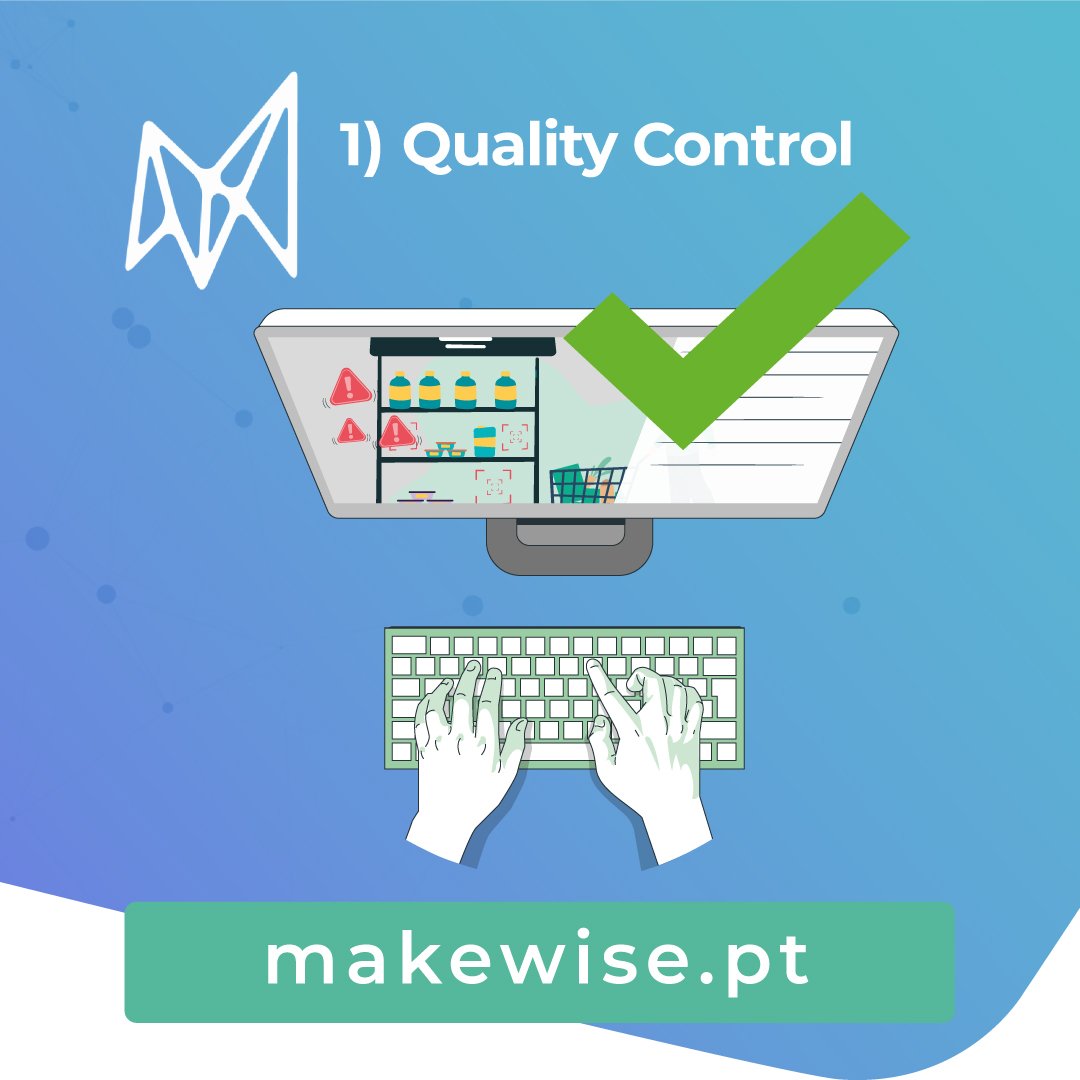
- Quality Control and Defect Detection: One of the most established industrial applications of computer vision is automated quality inspection. Using high-resolution cameras and AI models, these systems analyse products in real time, detecting defects such as surface flaws, misalignments or missing components with greater speed and consistency than manual inspection. This results in improved product quality, reduced waste and more reliable production processes.
- Customer Experience and Operational Efficiency in Retail: Retail environments benefit from computer vision through real-time monitoring of inventory levels, automated shelf scanning and analysis of customer behaviours. Visual tracking systems ensure products are restocked promptly and provide actionable insights that inform operational decisions, making stores more responsive and efficient.
- Diagnostic and Monitoring Systems in Healthcare: Healthcare providers leverage computer vision for analysing medical imagery, such as X-rays or scans, to support diagnosis with high accuracy. Additionally, vision systems can monitor patient movement in clinical settings to reduce risks while improving care workflows.
- Security and Surveillance Automation: Vision systems integrated with AI can independently monitor secure areas, recognise suspicious behaviour and alert operators in real time, improving safety protocols across logistics, industrial and commercial environments.
Use cases: Computer Vision in action
While automated inspection remains a prominent example, computer vision’s real impact emerges when applied to concrete operational challenges.
AI-Powered Shelf Monitoring in Logistics & Retail
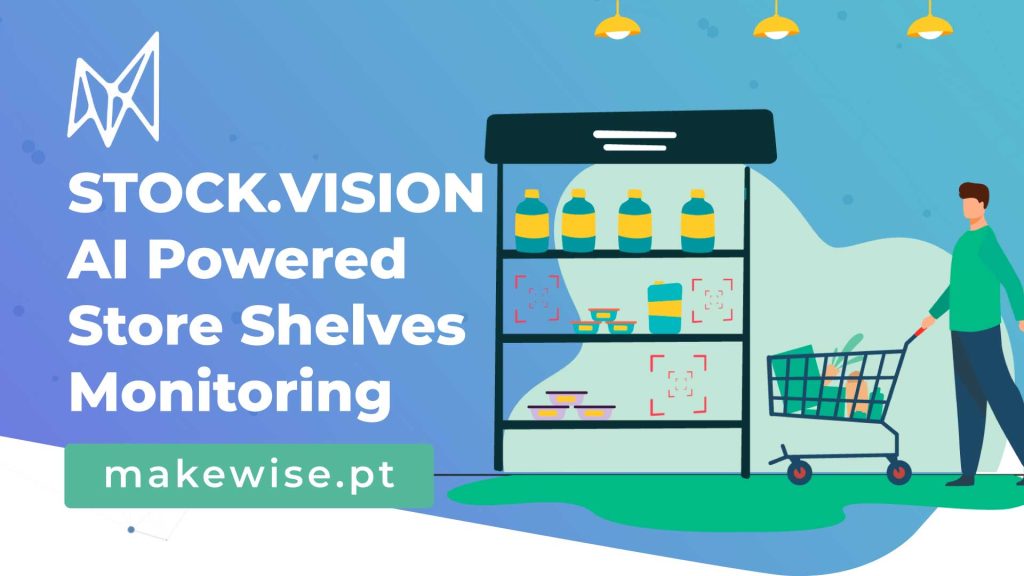
A practical example of computer vision applied to industry is MakeWise’s STOCK.VISION, an AI-powered retail shelf monitoring solution designed to solve real-time stock visibility issues.
Retailers often struggle to maintain accurate shelf availability across multiple stores. Manual checks are labour-intensive and prone to human error, leading to delayed restocking, lost sales and reduced customer satisfaction.
STOCK.VISION uses Smart Vision Sensors to continuously monitor product availability on shelves. The system automatically detects low-occupancy areas and generates instant alerts for replenishment.
Key capabilities include:
- AI vision sensors detecting stock depletion in real time
- A fully packaging-agnostic system adaptable to any shelf layout
- Reliable detection despite changes in lighting or packaging
- Instant alerts and predictive restocking recommendations
- Seamless integration with ERP, POS and inventory management platforms
- Cloud-based dashboard providing analytics and performance KPIs
Because it is packaging-agnostic, STOCK.VISION maintains high accuracy even when product designs or layouts change, ensuring scalability across diverse retail environments.
Measurable Operational Impact
Retailers implementing STOCK.VISION have achieved:
- 70% fewer stockouts
- Real-time stock updates
- Faster replenishment response
- Improved shelf availability
- Enhanced customer satisfaction
- Data-driven decision-making
- Reduced operational costs and waste
By transforming reactive stock checks into predictive monitoring, STOCK.VISION demonstrates how computer vision delivers measurable commercial value.
Conclusion
Computer vision has evolved into a practical, scalable and high-impact industrial technology. From automated quality inspection to intelligent inventory monitoring, its applications improve efficiency, consistency and operational insight.
Solutions such as MakeWise’s STOCK.VISION show how computer vision can be effectively integrated into real-world industrial environments, delivering measurable improvements in performance, cost control and customer satisfaction.
As industries continue to modernise, computer vision is no longer an emerging trend, it is a strategic enabler of smarter, more resilient operations.
Confirm all MakeWise’s solutions here and start your business digital transformation journey today. Contact us!