
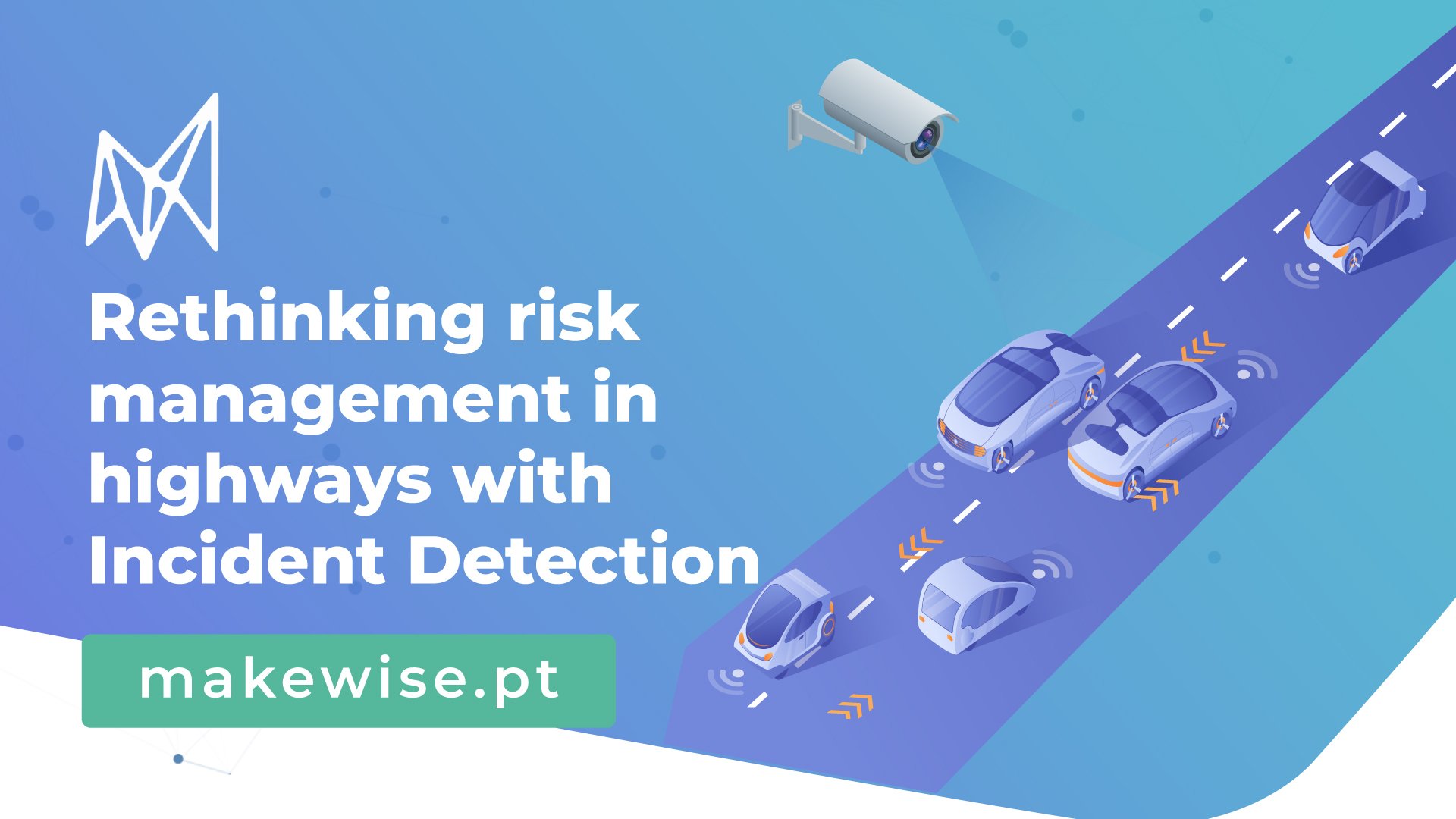
Highway infrastructure is designed for speed, efficiency and continuous flow. Yet, when incidents occur whether collisions, road obstructions or dangerous driving behaviours, the consequences escalate rapidly. Every second of delay in detection and response can mean increased risk to human life, greater traffic disruption and higher operational costs. As traffic volumes grow and infrastructure becomes more complex, the need for faster, more intelligent risk management becomes critical. This is where automated incident detection systems redefine how risks are identified, managed and mitigated in real time.
In this article, we will dive into how automated incident detection systems are redefining highway risk management and enabling faster, more effective responses.
Why risk management in highways needs to evolve
Risk management is often treated as a linear process: predictable, structured and controlled. However, real-world environments such as highways behave more like dynamic systems, where multiple variables interact unpredictably. Incidents do not follow schedules, and risks emerge suddenly, requiring immediate response.
Traditional highway monitoring systems face several key challenges:
- Limited human capacity: operators cannot effectively monitor hundreds of video feeds simultaneously without missing critical events.
- Delayed response times: incidents may take minutes to be identified, increasing the severity of consequences.
- Fragmented visibility: data from cameras, sensors and systems is often not unified, leading to slower decision-making.
As highlighted in modern risk management thinking, risk should not be approached as a static process but as a continuously evolving environment requiring real-time awareness and adaptability.
In highway contexts, this means moving from reactive monitoring to proactive detection, where incidents are identified the moment they occur, not after escalation. This shift is made possible through automated incident detection systems, powered by artificial intelligence and computer vision.
The benefits of automated incident detection systems in highway operations





Automated incident detection systems use AI and computer vision to analyse live video feeds, detect anomalies and trigger alerts instantly. This transforms highway risk management from manual observation to intelligent automation.
- Real-Time detection and immediate response: unlike manual monitoring, automated systems detect incidents as they happen often within seconds. This significantly reduces response times and enables faster deployment of emergency services.
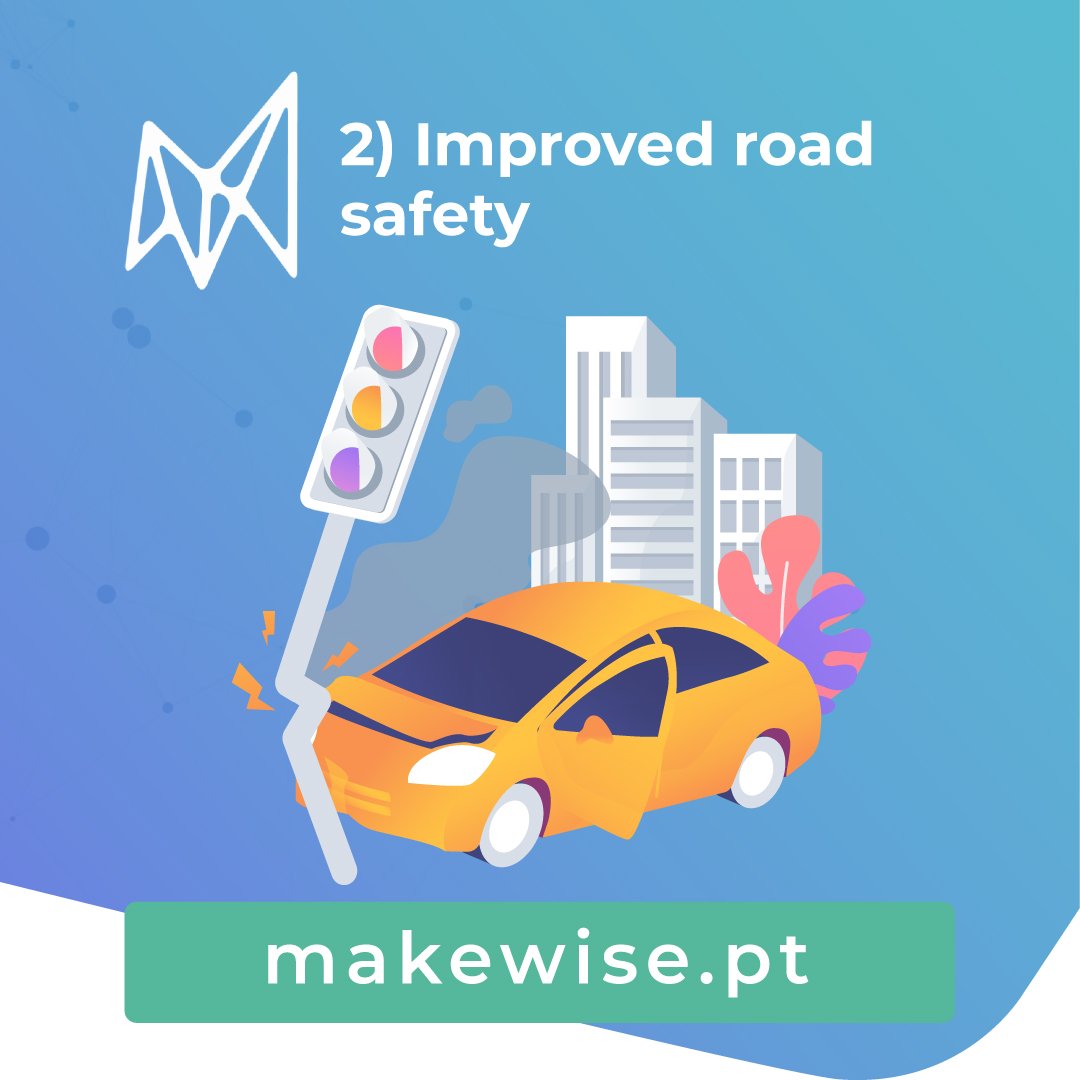
- Improved road safety: early detection of collisions, stopped vehicles or wrong-way driving reduces the likelihood of secondary accidents. Faster intervention directly contributes to saving lives and minimising injuries.
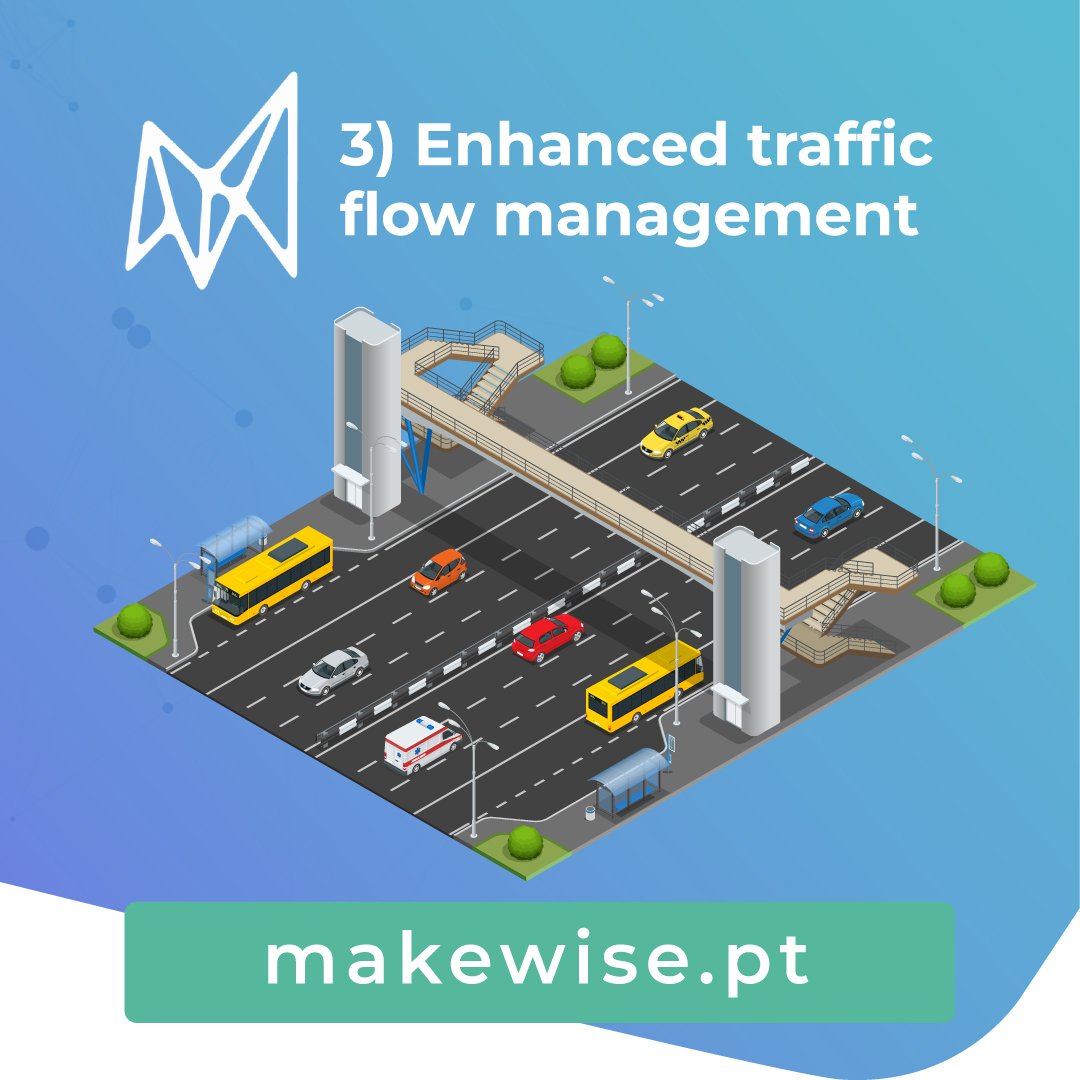
- Enhanced traffic flow management: by identifying incidents quickly, traffic authorities can respond more efficiently: rerouting traffic, clearing obstructions and maintaining smoother traffic flow.
- Reduced operational costs: automating incident detection reduces reliance on manual monitoring, lowering staffing requirements while increasing monitoring accuracy and coverage.
- Scalable monitoring across infrastructure: automated systems can monitor hundreds of cameras simultaneously without fatigue, ensuring consistent performance across large highway networks.
- Data-driven decision making: AI-powered systems generate structured data from video feeds, enabling long-term analysis of traffic patterns, incident frequency and risk hotspots.
AID.VISION: Real-Time Highway Risk Management by MakeWise

At the forefront of this transformation is AID.VISION, MakeWise’s advanced solution for highway risk management based on automated incident detection systems.
Designed to operate in complex traffic environments, AID.VISION leverages computer vision and AI to detect, classify and alert incidents in real time with minimal latency.
Key Features
- Zero-configuration deployment: automatically detects roadways and traffic direction without manual setup
- Real-time detection and alerting: ultra-low latency ensures immediate response
- Incident detection capabilities: identifies collisions, wrong-way driving and road blockages
- System integration: compatible with existing CCTV and traffic management systems
- Flexible architecture: cloud or edge processing for scalability across infrastructure
- Adaptability: suitable for highways, tunnels and complex traffic scenarios
Real-World use case: highway risk management
In traditional highway control centres, operators monitor dozens of screens while hundreds of cameras remain active across the network. This creates a critical gap between visibility and action.
With AID.VISION:
- Incident detection time is reduced from approximately 10 minutes to under 30 seconds
- Real-time alerts enable immediate intervention
- Video excerpts support rapid human verification
- Monitoring becomes proactive rather than reactive
Operational Benefits
- Automatic incident detection with no manual dependency
- Zero latency in alert generation
- Improved public safety response
- Enhanced traffic flow and reduced congestion
- Lower infrastructure monitoring costs
- Reduced circulation of monitoring vehicles
By transforming passive surveillance into intelligent monitoring, AID.VISION enables highway operators to manage risk dynamically and at scale.
Conclusion
Highway risk management can no longer rely on delayed detection and manual processes. In fast-moving environments where seconds matter, the ability to identify and respond to incidents in real time is essential. Automated incident detection systems represent a fundamental shift, from reactive monitoring to proactive risk control. By leveraging AI and computer vision, they provide the speed, accuracy and scalability required to manage modern highway infrastructure effectively.
Solutions like MakeWise’s AID.VISION demonstrate how real-time incident detection can significantly reduce response times, improve safety outcomes and optimise operational efficiency. In the future of smart mobility, managing risk is not only about reacting faster, it is about detecting earlier as well.
Confirm all MakeWise’s solutions here and start your business digital transformation journey today. Contact us!