

In today’s fast-paced industrial and commercial environments, accuracy and speed are essential to maintaining quality, safety and customer satisfaction. Traditional quality inspection methods rely heavily on human judgement and visual assessment, which are often inconsistent, labour-intensive and slow. As product complexity increases and customer expectations rise, businesses face mounting pressure to ensure that every output meets strict quality standards. Artificial intelligence (AI)-powered automated inspection systems promise a new paradigm — one where defect detection and quality assurance are faster, more consistent and highly scalable — while freeing skilled personnel to focus on higher-value activities.
Why Automated Inspection with AI Is Important
Historically, quality inspection was a manual process: trained inspectors examined products visually to find defects, often working under tight production deadlines. These methods are inherently limited by human fatigue, inconsistency, subjective judgement and variability in skills between inspectors.
Traditional rule-based machine vision systems improved consistency to some extent, but they require extensive programming and struggle with variable defect patterns or slight deviations in appearance. They also demand significant engineering effort to define rigid inspection criteria.
In contrast, AI-based automated inspection uses advanced computer vision and deep learning algorithms to learn directly from example images. Rather than rely on static rules, the system recognises patterns and anomalies across millions of pixels in real time, adapting to new defect types and variations without reprogramming. This evolution significantly enhances detection accuracy, reliability and adaptability across diverse environments, making AI-driven inspection essential for modern quality control.
How Automated Inspection with AI Works



Automated inspection systems powered by AI combine high-resolution imaging with advanced analytics to transform visual inspection processes:
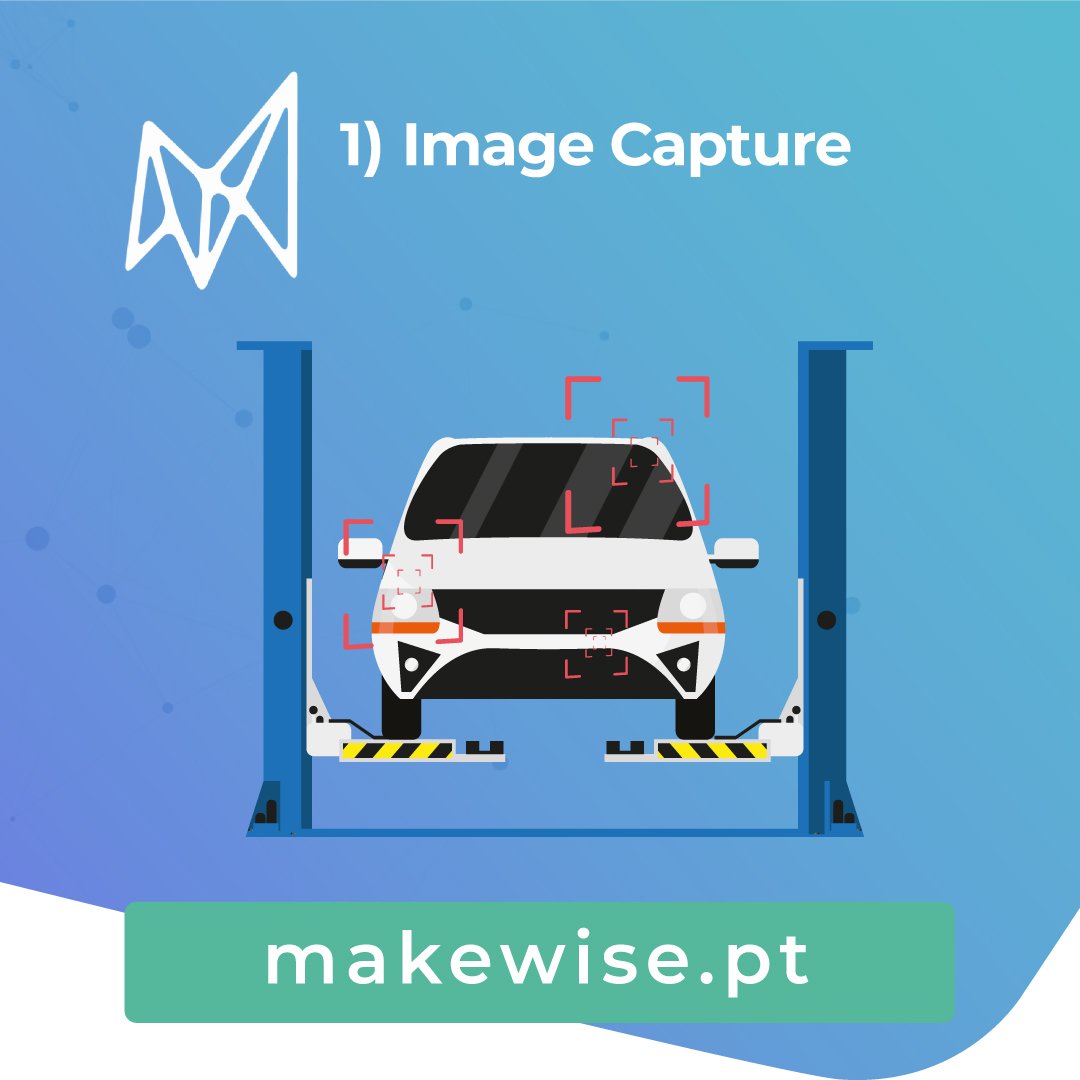
- Image Capture: Cameras or sensors capture detailed images or videos of the object under inspection at high speed and resolution.
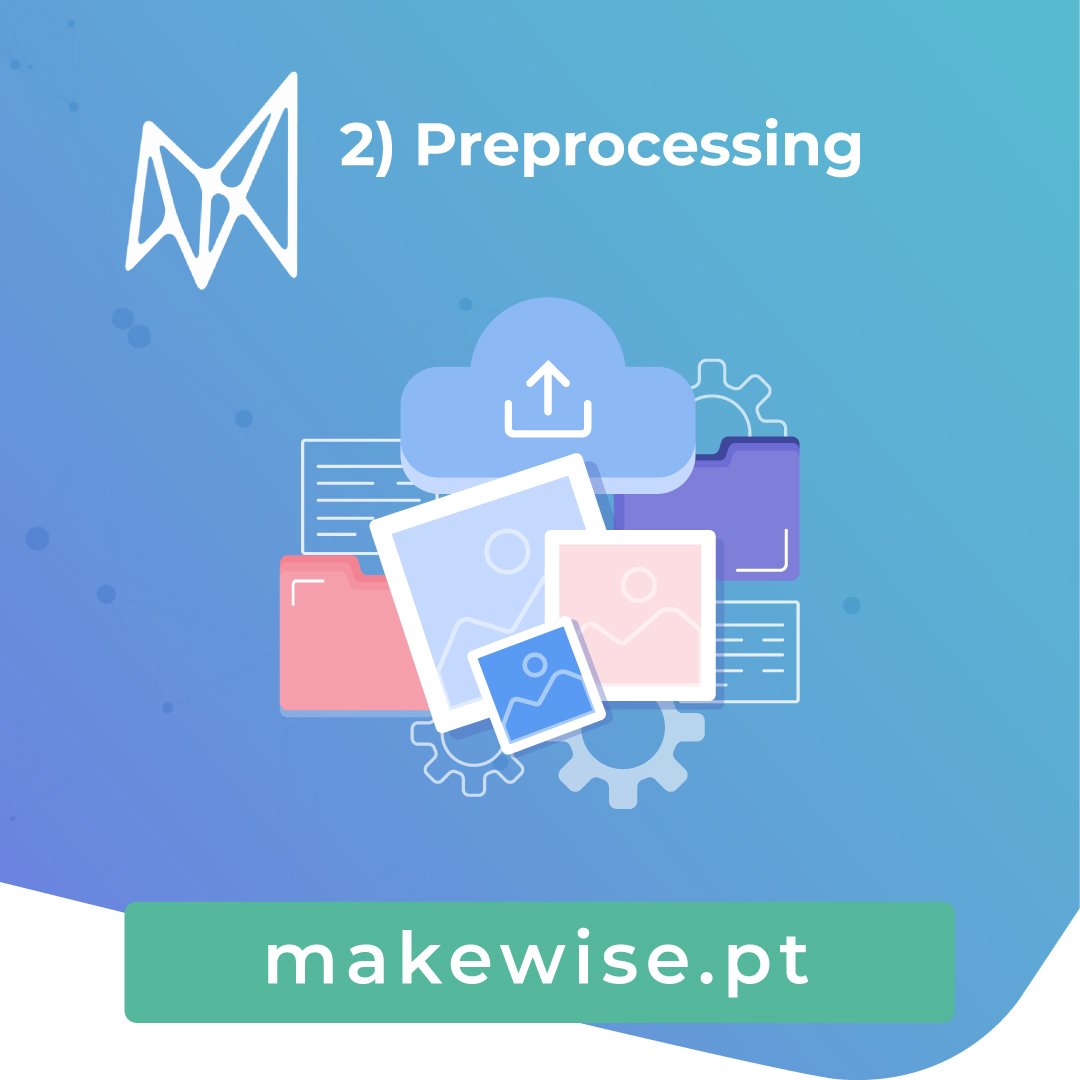
- Preprocessing: Captured visual data are normalised and enhanced to ensure optimal analysis, adjusting lighting and removing noise where necessary.
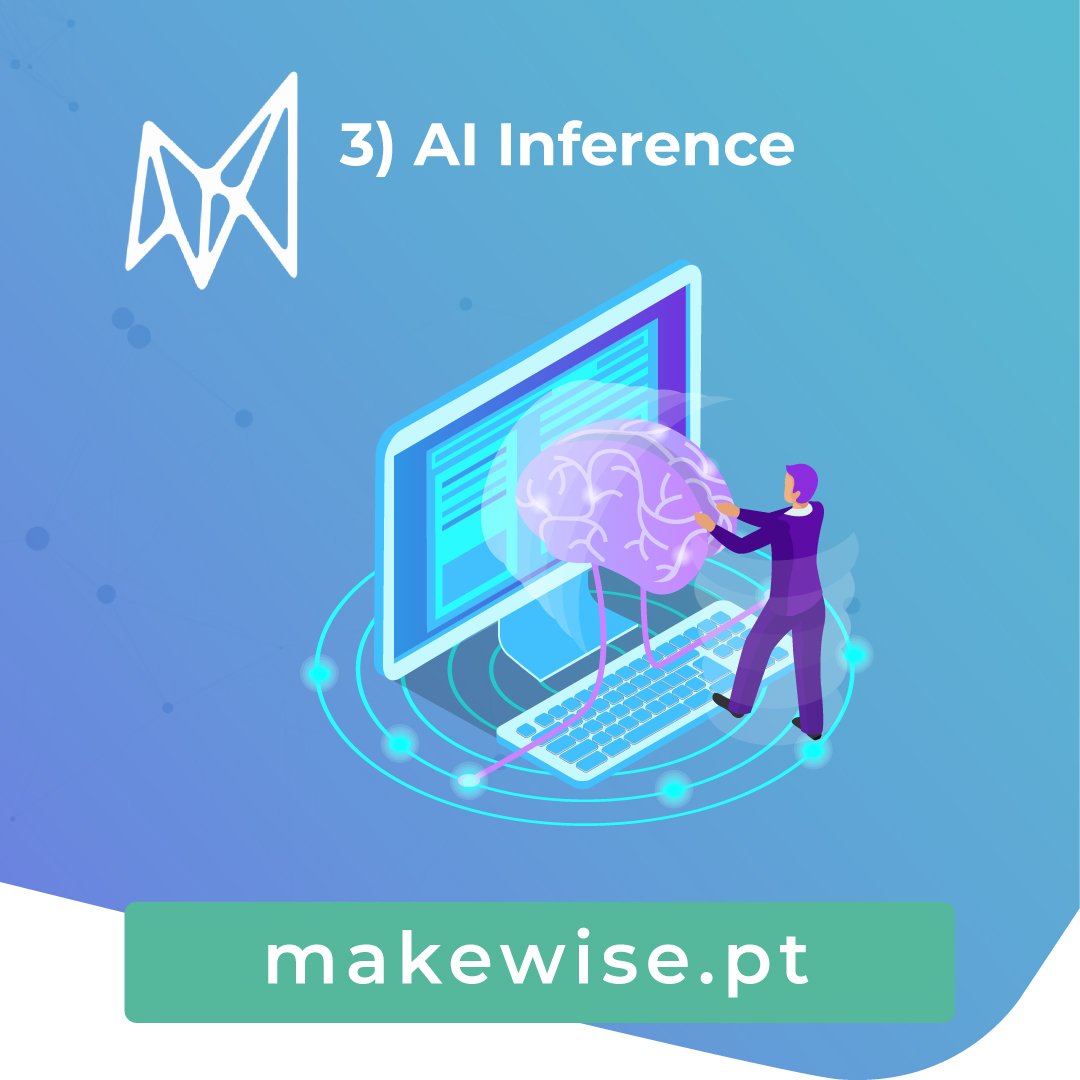
- AI Inference: Deep learning models process the visual data, identifying patterns and deviations by comparing them against trained examples of “good” products.
- Defect Detection and Classification: The system flags anomalies, classifies defect types, and assesses severity in real time.
- Action and Feedback: Results can trigger automated sorting or quality alerts, and inspection outcomes are logged for traceability and continuous improvement.
Unlike conventional systems, AI-based inspection systems improve over time as they process more data, refining their accuracy and reducing false positives and negatives.
The Benefits of Automated Inspection
1. Exceptional Accuracy and Consistency: AI-driven inspection consistently outperforms manual and rule-based systems, detecting defects that humans might miss due to fatigue, subjectivity or subtle visual cues. Systems have been documented to achieve detection rates above 99 %, significantly reducing the risk of defective products reaching customers.
2. Real-Time Performance and Throughput: Automated systems analyse hundreds of items per minute without slowing production, eliminating bottlenecks and enabling continuous inspection at scale.
3. Reduced Human Dependence and Cost Savings: Replacing repetitive manual tasks with automated inspection reduces labour requirements, cuts operational costs and allows personnel to be redeployed to higher-value tasks such as process optimisation and exception handling.
4. Reliable Traceability and Quality Data: AI inspection logs every decision with visual records and data tags, supporting audit trails, regulatory compliance and proactive quality improvement over time.
5. Adaptability to Complex and Variable Products: AI models are trained on product variances rather than static criteria. This allows them to adapt to new products, evolving defect types and variable surface appearances without costly reconfiguration.
Real-World Use Cases
Manufacturing Quality Control: across manufacturing sectors — including automotive, electronics and medical devices — AI inspection ensures every part meets prescribed standards. Automated systems detect micro-level surface defects, component misalignment and assembly errors, supporting high throughput without quality compromise.
Packaging and Consumer Goods: AI systems validate packaging integrity, correct labelling, fill levels and surface appearance — areas where human inspection is slow or inconsistent.
Vehicle Inspection: AI-powered inspection tools analyse vehicle imagery to locate damage and estimate repair costs accurately and rapidly, transforming automotive quality assurance and insurance assessments.
Emerging Domains: Beyond manufacturing and automotive uses, AI inspection is applied in agriculture, construction materials testing, healthcare devices, infrastructure monitoring and other sectors where visual anomaly detection is critical.
MakeWise spotlight: AVI.VISION
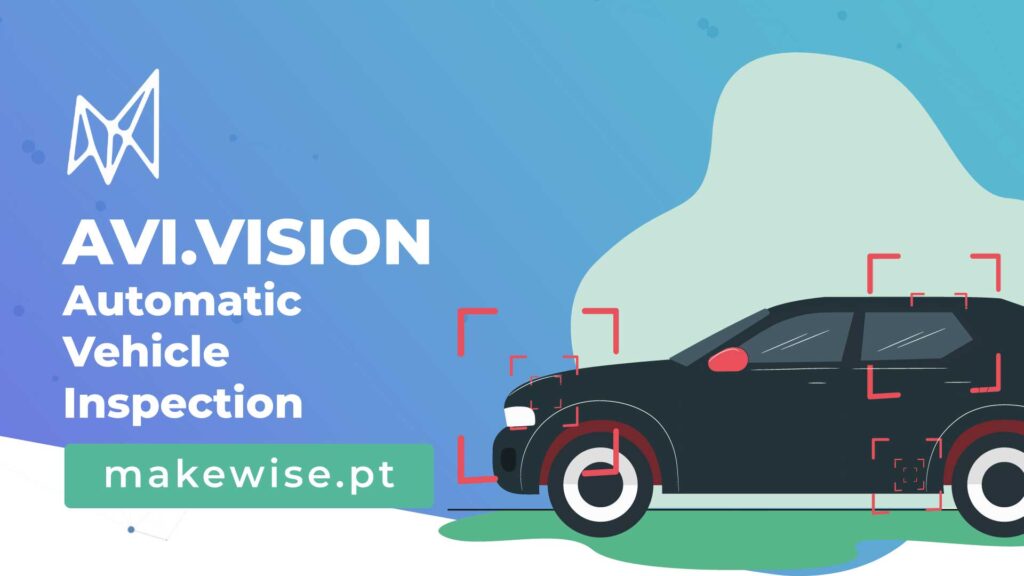
AVI.VISION is MakeWise’s flagship automated inspection solution, tailored to streamline and automate visual assessment tasks using artificial intelligence. Specifically designed for vehicle inspection, AVI.VISION leverages advanced computer vision and AI to identify and classify damage automatically, reducing the reliance on manual human inspection and improving operational efficiency.
- Real-time or post-processing inspection: allowing flexibility in deployment based on business needs and workflows.
- Automatic damage detection: identifying damage features such as dents, scratches or deformation across vehicle surfaces.
- Repair cost estimation: the system analyses the type and location of damage to produce an automatic estimate of repair costs, speeding up workflows and customer service.
- IT system integration: AVI.VISION can be integrated with existing enterprise applications to support comprehensive business processes and data flows.
By automating inspection, AVI.VISION not only increases accuracy and throughput but also enables companies to reallocate expert human inspectors to tasks that drive business value.
AI-powered automated inspection is no longer a futuristic concept; it is a transformative reality enhancing accuracy, speed and consistency across quality control domains. From manufacturing to vehicle inspection, businesses adopting AI inspection systems achieve operational excellence, lower costs and superior product quality. Solutions such as AVI.VISION from MakeWise demonstrate how purposeful integration of AI and computer vision unlocks profound business benefits — improving inspection outcomes while strengthening competitive advantage in an increasingly quality-driven market.
Confirm all MakeWise’s solutions here and start your business digital transformation journey today. Contact us!