
Emergencies strike without warning, and every second counts. Whether it’s a natural disaster, medical crisis, or infrastructure failure, delayed responses can mean greater damage and loss of life. At MakeWise, we deeply understand the emotional and logistical weight carried by first responders and emergency management teams. In this article, we’ll explore how Artificial Intelligence (AI) can drastically shorten response times and improve outcomes when it matters most.
Read moreTop 5 problems Artificial Intelligence can solve in logistics
In today’s competitive logistics landscape, operational efficiency is crucial. Companies grapple daily with inventory mismanagement, sorting errors, quality control issues, unpredictable demand, and inefficient route planning. MakeWise understands these challenges firsthand. The good news? Artificial Intelligence (AI)—particularly computer vision and predictive analytics—can address these complex issues, transforming logistics into a streamlined, error-free, and highly productive operation. In this article, we’ll dive into the top 5 problems that AI solves in logistics and how to solve them.
Read moreEthical AI: how to implement responsible AI systems
As artificial intelligence (AI) becomes more deeply embedded in everyday life, the importance of developing and using it responsibly has never been greater. From healthcare to logistics, AI is helping businesses innovate and optimize processes — but it also raises critical questions around fairness, transparency, privacy, and accountability. Responsible AI is about more than just compliance. It is a commitment to building technology that respects human values and contributes positively to society. In this article, we explore what responsible AI means in practice, how organizations can implement it effectively, and how these principles are reflected in advanced AI applications.
Read moreAI and retail analytics: understanding consumer behavior through shelf data
In today’s fast-moving retail industry, understanding how customers behave in physical stores is more critical than ever. Read more
Read More
We were at the Portugal Smart Cities Summit!

We took part in the Portugal Smart Cities Summit, an inspiring event that gave us the opportunity to showcase our work and dive into the smart cities ecosystem. It was a privilege to experience firsthand the innovative technological solutions Read more
Top 5 benefits of implementing AID Systems
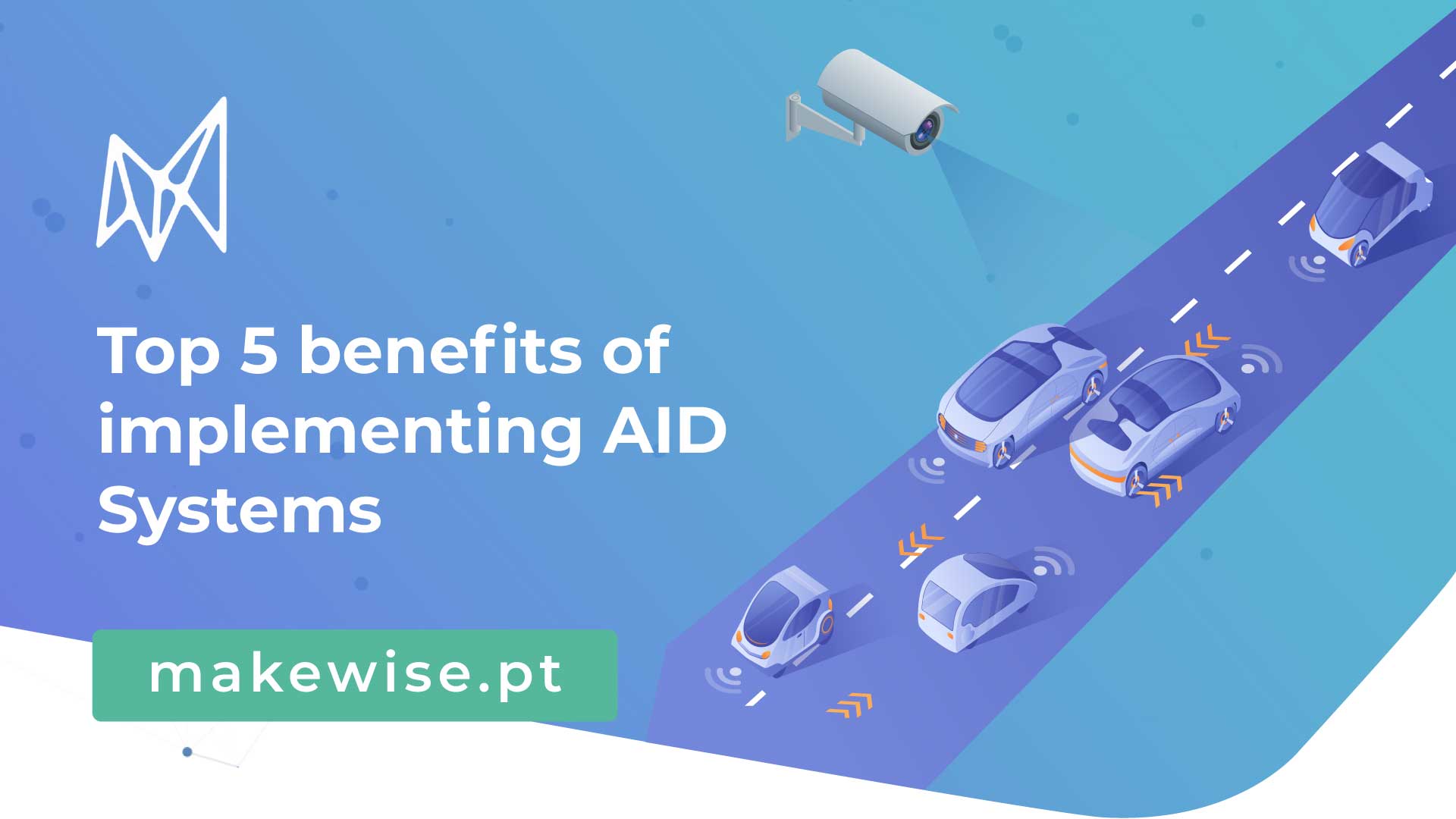
In today’s rapidly evolving transportation landscape, ensuring road safety and efficient traffic management has become more critical than ever. Automatic Incident Detection (AID) systems have emerged as pivotal tools in achieving these goals. By leveraging advanced technologies, AID systems enable real-time monitoring and swift response to incidents, thereby enhancing overall traffic safety and flow. In an age where every second counts, AID systems provide the precision and speed that traditional monitoring methods lack. In this article, we’ll dive into the top 5 benefits of implementing automatic detection of incidents systems.
Read moreTop challenges in cargo verification and how AI solves them
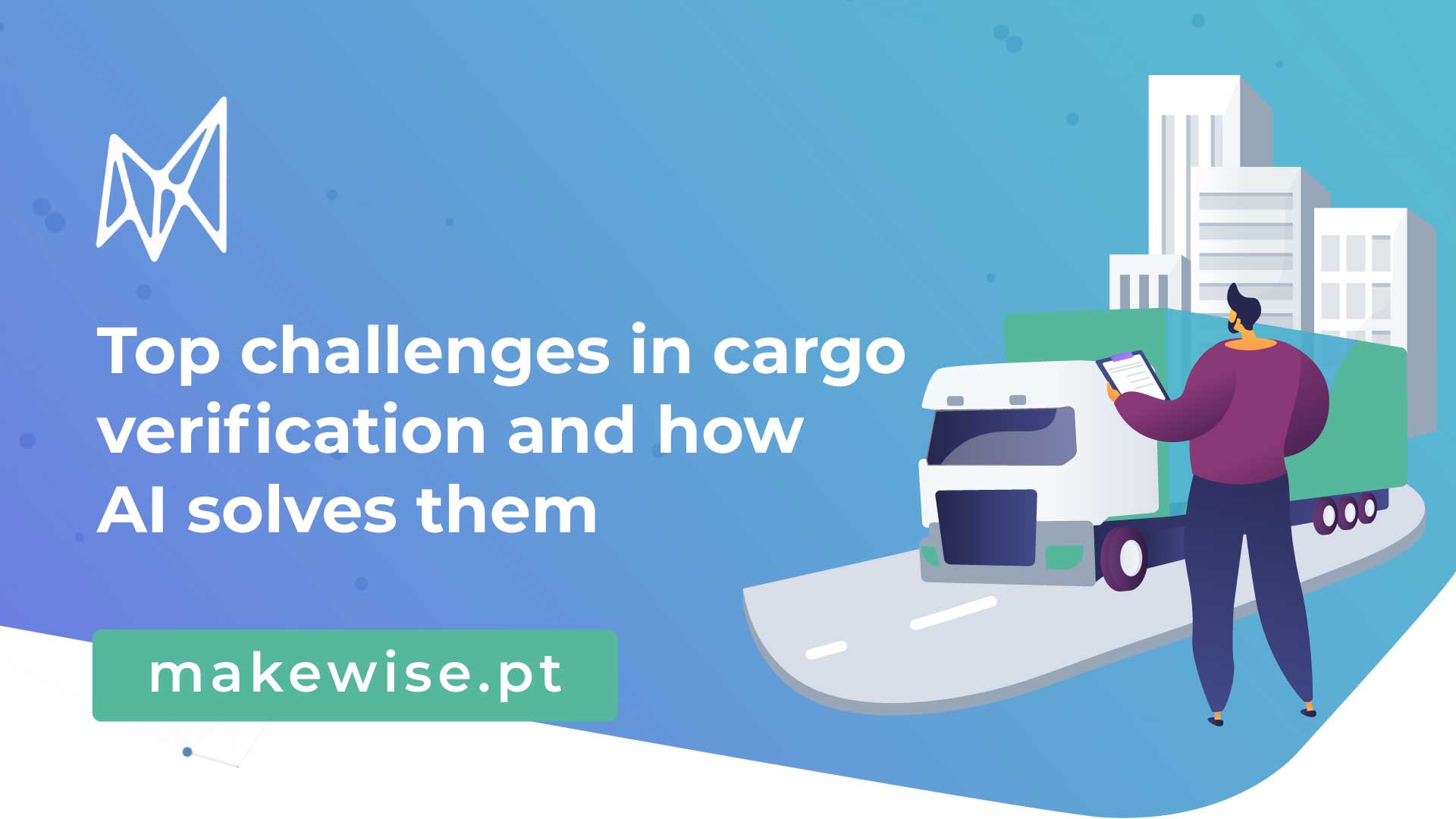
In the fast-paced world of logistics, ensuring accurate verification of cargo is paramount. With the increasing complexity of supply chains and rising demands for real-time information, traditional cargo verification methods often fall short. Enter Artificial Intelligence (AI)—a transformative technology reshaping the logistics landscape, enabling more efficient, accurate, and secure verification processes. In this article, we’ll dive into the top challenges in cargo verification and how AI solves them.
Read moreLicense Plate Recognition and privacy: how technology balances security and data protection
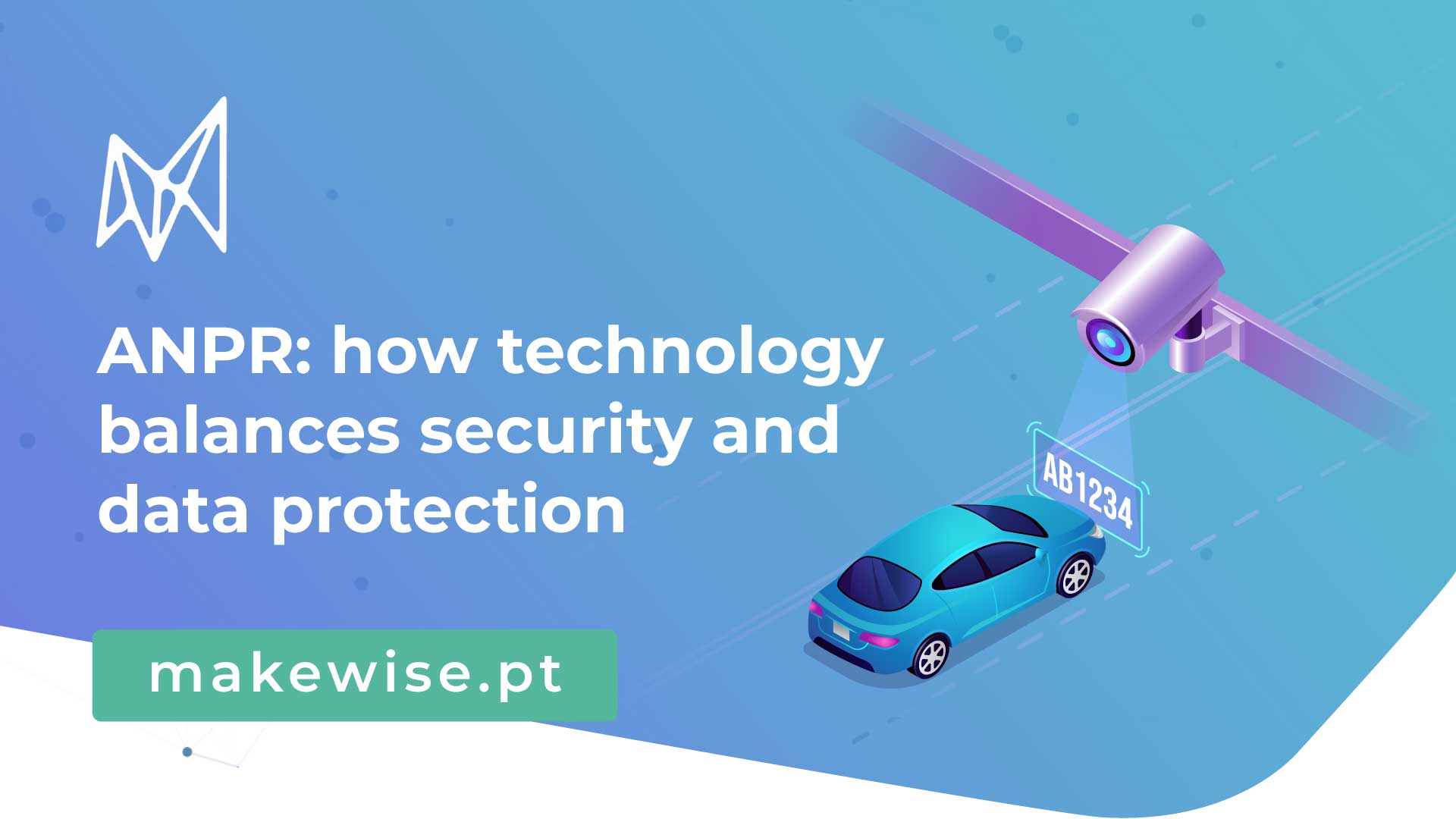
In today’s rapidly evolving technological landscape, Automatic Number Plate Recognition (ANPR) systems have become integral to traffic management, law enforcement, and urban planning. These systems offer numerous benefits, including enhanced traffic flow, improved security, and efficient parking management. However, the deployment of ANPR technology also raises significant privacy and data protection concerns. Striking a balance between leveraging the advantages of surveillance and safeguarding individual privacy is a critical challenge. This article explores the importance of ANPR technology and examines how specific systems address privacy concerns.
Read more5 Industries benefiting from automatic License Plate Recognition Systems
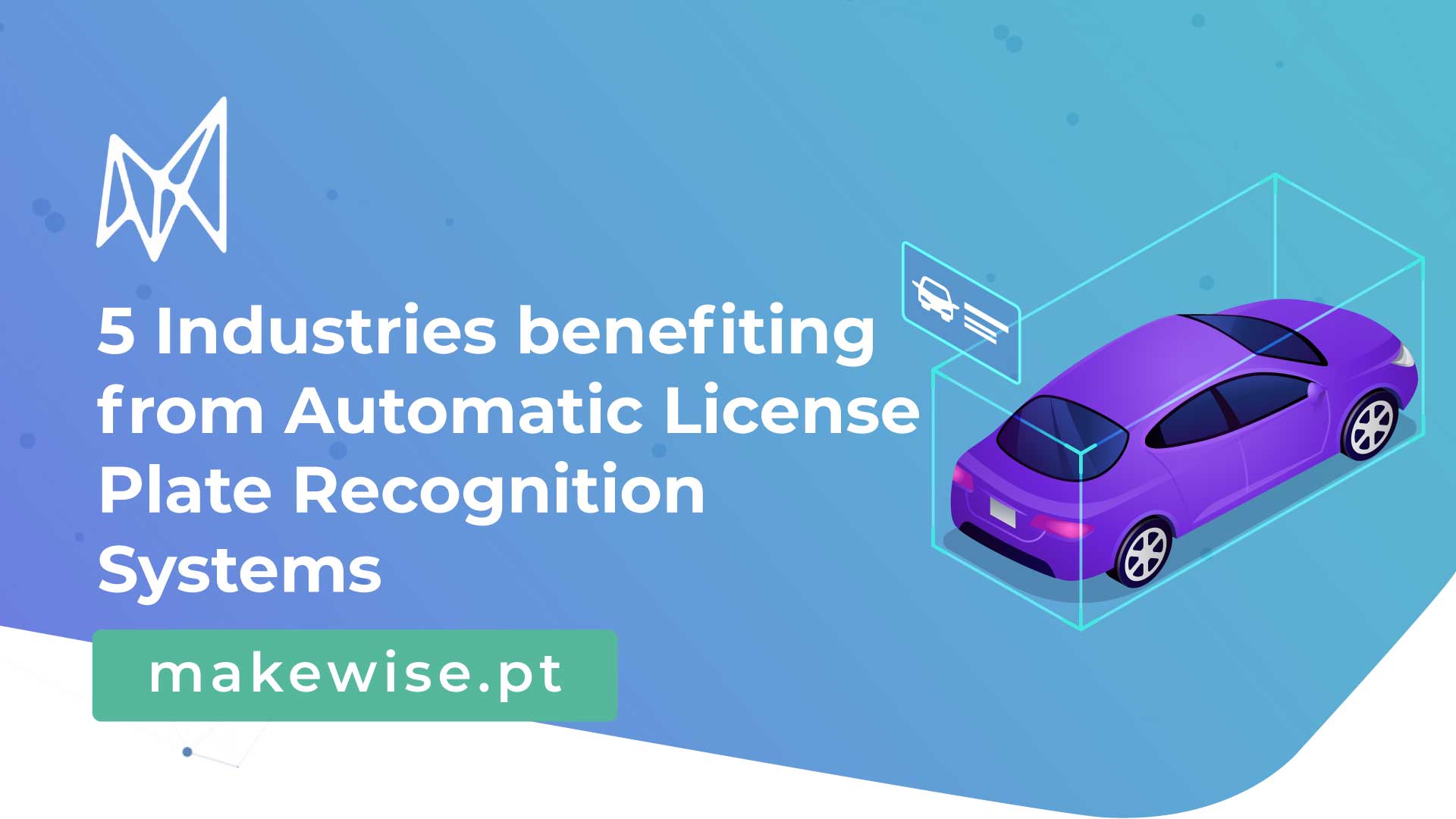
In today’s fast-paced world, industries are continually seeking innovative solutions to enhance security, streamline operations, and improve customer service. Automatic License Plate Recognition (ALPR) systems have emerged as a transformative technology, offering real-time vehicle identification and data analysis capabilities. By automating the process of capturing and interpreting license plate information, ALPR systems provide significant advantages across various sectors. In this article, We’ll explore the five industries that benefit from automatic License Plate Recognition Systems.
Read moreThe Future of AI-powered decentralized traffic control
Urbanization has led to increased traffic congestion, posing significant challenges to city infrastructure and commuter experiences. Traditional centralized traffic management systems often struggle to adapt swiftly to dynamic traffic conditions, resulting in inefficiencies and delays. The integration of Artificial Intelligence (AI) and Machine Learning (ML) offers a transformative solution, enabling real-time, decentralized traffic control that enhances urban mobility. In this article, we will explore how AI is transforming transportation, its key advantages in traffic systems, and the role of advanced solutions like MakeWise’s AID.Vision in enhancing road safety.
Read more